Service Insights for Waukesha Top Painting Contractor Services
Selecting the Best Painting Contractor: Advice for a Flawless Result
Choosing a painting contractor can greatly impact the end result of a painting project. It demands careful consideration of several elements, such as references, experience, and communication abilities. A well-structured approach guarantees clarity and minimizes potential issues. Knowing what to prioritize is essential. With the correct information, homeowners can make informed choices that lead to a satisfying painting outcome. The following parts will outline key tips and strategies to manage this procedure effectively.
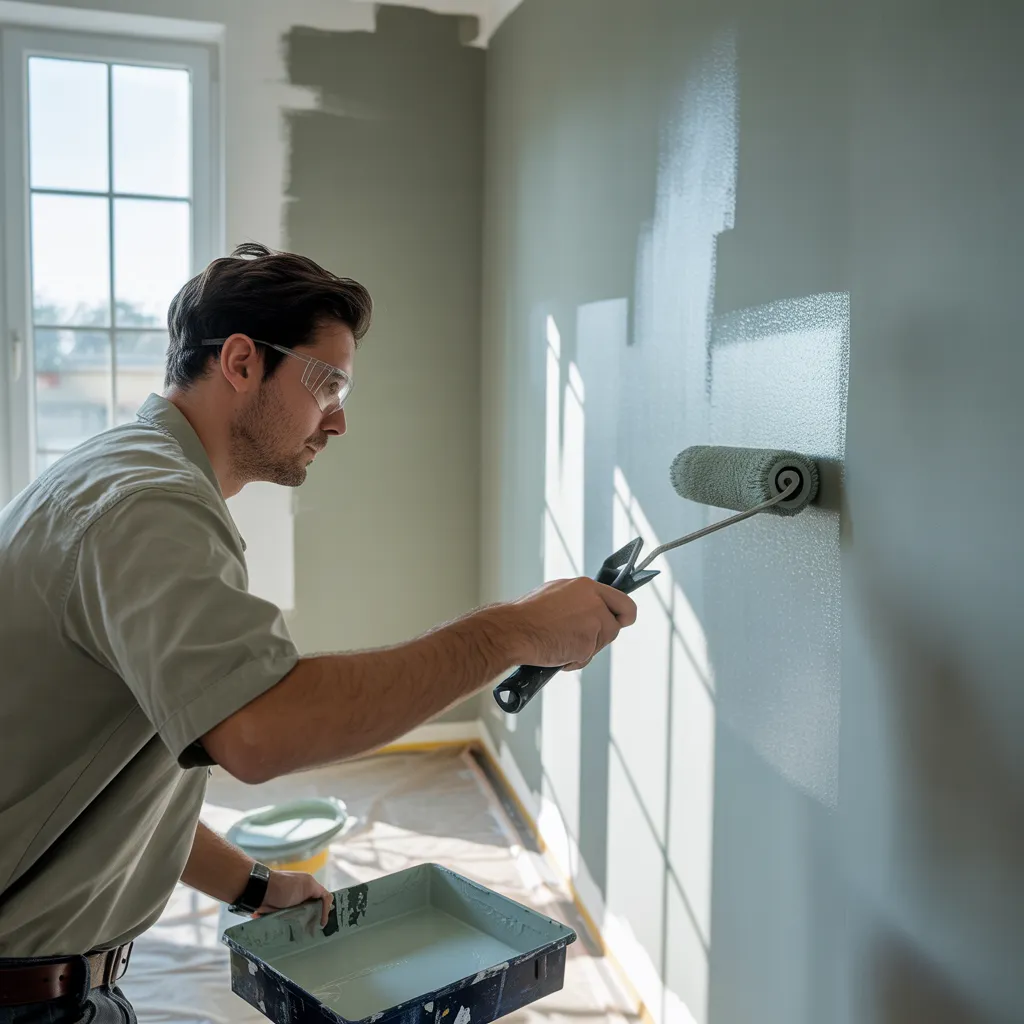
How to Measure a Painting Contractor's Experience
When examining a professional painter's expertise, how can one discern the truly competent from the less competent? Key indicators include the professional's duration in the industry and their record of accomplished projects. A skilled contractor generally has a diverse range of work, demonstrating multiple techniques and styles, which indicates versatility and expertise. Furthermore, understanding the types of projects they specialize in—both residential and commercial—can provide insight into their level of skill.
An additional crucial factor is the contractor's approach to continuous learning and development. A commitment to staying updated with evolving industry methods and standards demonstrates professionalism. Obtaining certifications or joining established industry associations can additionally confirm their expertise. At its core, a complete evaluation involves not just how long they have been in business, but also the diversity and standard of their work, guaranteeing the contractor is equipped to address unique project requirements.
What You Should Look for in References and Reviews
When evaluating client reviews and references, it is essential to identify consistency in the quality of work provided by past clients. This uniformity can indicate trustworthiness and professional standards. Furthermore, examining the contractor's manner of communication through feedback can provide insights into their responsiveness and approachability.
Ensure Consistency in Quality
Evaluating references and reviews is crucial for identifying a painting contractor's standard of work. Future clients should concentrate on recurring themes in reviews rather than isolated comments. Look for consistent patterns in feedback—strong commendations regarding careful craftsmanship, punctuality, and overall workmanship suggest trustworthiness. Moreover, consider the number of reviews; a professional with a large quantity of steady favorable testimonials is generally more trustworthy than a contractor with limited reviews. Pay attention to any negative reviews, with special focus on those mentioning poor communication or unfinished projects. Finally, request references straight from the contractor and follow up with past clients to obtain direct perspectives on their experiences. This comprehensive method helps guarantee that the hired contractor will produce a satisfactory finished product.
Analyze Communication Style
How effectively does a painting contractor engage with their clients? This aspect is essential when evaluating potential hires. Homeowners should look for reviews that emphasize the contractor's attentiveness and precision in communications. Feedback can indicate if the contractor readily handles questions and concerns, reflecting a assessment focus on customer service. Also, assess the contractor's capacity to describe procedures and schedules clearly. A skilled communicator keeps homeowners fully informed from start to finish. Find references that highlight comprehensive and transparent pricingand openness regarding supplies and expenses. Ultimately, effective communication fosters trust and guarantees a smoother project experience, making it an essential consideration when choosing the ideal painting professional.
Important Topics to Cover When Hiring a Contractor
What key elements should someone keep in mind when selecting a painting contractor? Start by checking the contractor's credentials, including their licenses and insurance, to validate their legitimacy and provide protection from liabilities. Next, evaluate their experience and expertise by asking for references and reviewing past projects. This process enables you to assess the standard of their craftsmanship and overall trustworthiness.
It is also important to go over the kinds of techniques and materials they plan to use, as this impacts the quality and look of the completed project. Furthermore, ask about the timeline for the project, as having clear expectations can prevent potential misunderstandings.
Effective communication is essential; make sure the contractor is approachable and willing to address concerns. Discuss warranties or guarantees on their work, as this gives you peace of mind regarding the standard of work. Additionally, review the contract specifics, making certain all aspects of the project, including start and completion dates, are documented. Such conversations establish the foundation for a smooth and successful painting project.
Establishing a Practical Budget for Your Project
Creating a reasonable budget for a painting project begins with determining the project scope, which details the exact areas designated for painting. After the scope has been defined, it is important to account for material costs, such as paints and related materials, alongside labor expenses for the contractor's work. This detailed strategy assures that homeowners can allocate their resources effectively while avoiding unexpected financial burdens.
Identify Project Scope First
Identifying the project boundaries is fundamental for a satisfactory painting endeavor. This first step involves precisely outlining the surfaces to be covered, the preferred finish types, and any essential prep work. By clarifying these particulars, homeowners can gain greater insight into the total scope of the work, leading to better cost assessments. A properly outlined scope helps prevent unexpected changes and supplementary fees during the execution of the work. Moreover, it facilitates clear dialogue with possible service providers, ensuring that all parties are aligned on expectations. Being diligent in define parameters at the outset can greatly enhance the final result, supporting a more organized approach and a better overall outcome. Addressing this step first establishes the basis for a professionally completed painting job.
Include Material Costs
In establishing the complete budget for a home painting project, home improvement planners must diligently account for supply expenses to ensure budgetary accuracy. This involves the expense of paint, priming materials, application brushes, rolling applicators, and additional supplies such as drop cloths and painter's tape. It is important to opt for superior materials, as they significantly affect the longevity and aesthetic of the finished work. Home improvement planners ought to explore different brands and contrast their costs to identify the ideal ratio of quality to price. Moreover, evaluating the overall square footage needing coverage will assist in calculating the needed volume of materials, eliminating surprise expenditures. Budgeting for contingencies, such as extra paint for touch-ups, can also result in a more reliable budget estimate.
Incorporate Labor Costs
Effective budgeting for a painting undertaking demands thorough evaluation of labor expenses, which can significantly impact the overall cost. Labor costs commonly represents a significant portion of the complete financial plan, so obtaining detailed estimates from contractors is vital. Contractors may price their services hourly or provide a flat rate based on the nature of the project. It is essential to inquire about the size of the crew and the anticipated timeframe, as these elements can impact total labor charges. Additionally, understanding the professional's expertise and qualifications can help explain their pricing. By incorporating labor expenses into the budget, clients can prevent unforeseen expenses and ensure more efficient project management, ultimately leading to a perfect result.
Which Questions Should You Consider Asking Before Signing?
What key questions should homeowners consider before entering into an agreement with a painting contractor? Initially, they should ask about the contractor's background and references. Reviewing their prior work can provide insight into the quality and reliability of the contractor. Homeowners should also ask about the types of materials and paint brands chosen, as this impacts the longevity and finish of the project. In addition, reviewing the project timeline is important; understanding the start date and anticipated completion can help in planning. Homeowners should confirm the payment terms, including required deposits and final payment conditions. To conclude, it's essential to inquire about guarantees or warranties covering labor and materials. Asking these questions helps homeowners find a contractor who matches their standards and requirements, setting the stage for a successful painting project.
How to Ensure a Smooth Painting Process With Your Contractor
Maintaining clear communication is essential for ensuring a successful painting process with a contractor. Homeowners should clearly express their needs regarding scheduling, color preferences, and specific project details. Regular check-ins can aid in managing any developing problems and maintain project momentum.
Another key aspect is preparation. Homeowners are advised to make sure the work area is open and free of obstructions. Doing so allows the contractor to work more effectively and limits possible delays.
Moreover, it is wise to create a written contract that covers the scope of work, payment timeline, and project deadline. This document works as a point of reference for both parties, minimizing confusion.
Finally, nurturing a positive rapport encourages teamwork. Clients should express appreciation for the contractor's efforts, encouraging a conducive working environment. By following these guidelines, homeowners can contribute to a seamless painting experience, ultimately leading to a flawless finish.
Frequently Asked Questions
How Long Does the Painting Project Take to Get Done?
The length of a painting project usually extends from a few days to several weeks, depending on factors such as the size of the area, complexity of the work, and environmental conditions impacting the timeline.
Which Paint Type Do You Recommend for My Project?
For best results, a premium, long-lasting acrylic latex paint is the ideal choice. This type offers excellent coverage, easy application, and long-lasting finish, making it perfectly suited for both indoor and outdoor projects, guaranteeing a polished, professional look.
Do You Provide Warranties on Your Work?
Yes, most established professional painters provide service warranties on their services. These service warranties usually encompass both labor and materials, guaranteeing that customers are provided with excellent service and safeguarding from potential issues that could occur after the project's completion.
How Do You Address Unexpected Challenges During the Project?
The contractor addresses unexpected issues by swiftly analyzing the situation, maintaining open communication with the client, and proposing solutions. This preventative strategy secures reduced setbacks and upholds project schedules while achieving client approval throughout the process.
Can I See a Portfolio of Your Previous Work?
The contractor easily presented a portfolio featuring numerous projects, highlighting exceptional craftsmanship and precision. Each completed job illustrated their skill, allowing potential clients to assess their style and suitability for planned painting ventures.